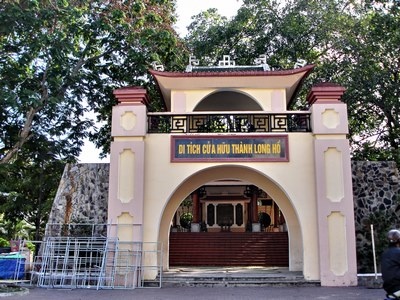
Ho Dynasty Citadel
Thành nhà Hồ
Ho Dynasty Citadel
Thành nhà Hồ
A unique 14th-century architectural monument, a UNESCO World Heritage site embodying neo-Confucian ideals.
Thanh Hoa
Citadel
History & Culture
The Ho Dynasty Citadel (Thành nhà Hồ) is an outstanding example of Vietnamese architecture, built in 1397 by Hồ Quý Ly. This site served as the capital of a centralized feudal state and witnessed key political reforms and cultural changes in Vietnamese history. Today, the ruins of the citadel allow visitors to connect with the late medieval era and appreciate the mastery of ancient builders.
- Visit duration
2–3 hours
- Average budget
from $25
- Admission
40,000 ₫
- Best months
Oct – Apr
- On-site language
Vietnamese, English
What you need to know
History and Significance
The citadel was designed as the strategic and cultural center of the state. Its construction reflects the development of neo-Confucian ideas in Vietnam at the time. Although it gradually lost its status after being captured by the Ming dynasty army in 1407, it has remained an important monument inscribed on the UNESCO list.
What to See
- Inner Citadel: A square structure made of massive limestone blocks, protected by a moat. This is where the legendary "King's Well" is located.
- La Thành Outer Rampart: A 10-kilometer earthen wall showcasing 14th-century engineering.
- Nam Giao Altar: A ritual site for worshipping heaven and earth.
- Archaeological Finds: The area is rich in artifacts featuring decorative dragon motifs and complex floral patterns.
Dry season with cool and pleasant weather, which is ideal for walking around the complex grounds.
On site
- How to get there
200 km from Hanoi, transfer or bus to Thanh Hoa province
- Accommodation
Hotels from $15
- Cash
Essential
- Connectivity
4G, Wi-Fi in hotels
- With kids
Fine for ages 6+